Understanding Radon and Its Impact on Your Home
Radon is a natural radioactive gas that you cannot see or smell. Even though you cannot detect it easily, radon is a big health worry, especially in places like North and South Carolina where certain soils can increase indoor levels. Knowing about radon and its effects is important for keeping your home safe and healthy.
What is Radon?
Radon comes from the breakdown of uranium in soil, rock, and water. It rises from the ground into the air and can get inside homes through cracks in floors, walls, and foundations. Once it is inside, it can reach dangerous levels.
Health Risks of Radon
Breathing in radon is the second biggest cause of lung cancer for non-smokers, after smoking. The U.S. Environmental Protection Agency (EPA) says radon is behind about 21,000 lung cancer deaths each year. Since people cannot see or smell radon, testing is the only way to know if a home has high levels.
Radon in North and South Carolina
The ground in North and South Carolina often leads to more radon in homes. The soil types in these areas make it easier for radon gas to form and move. Because of this, it is important for homeowners in this region to test and fix any radon problems.
The Importance of Radon Testing
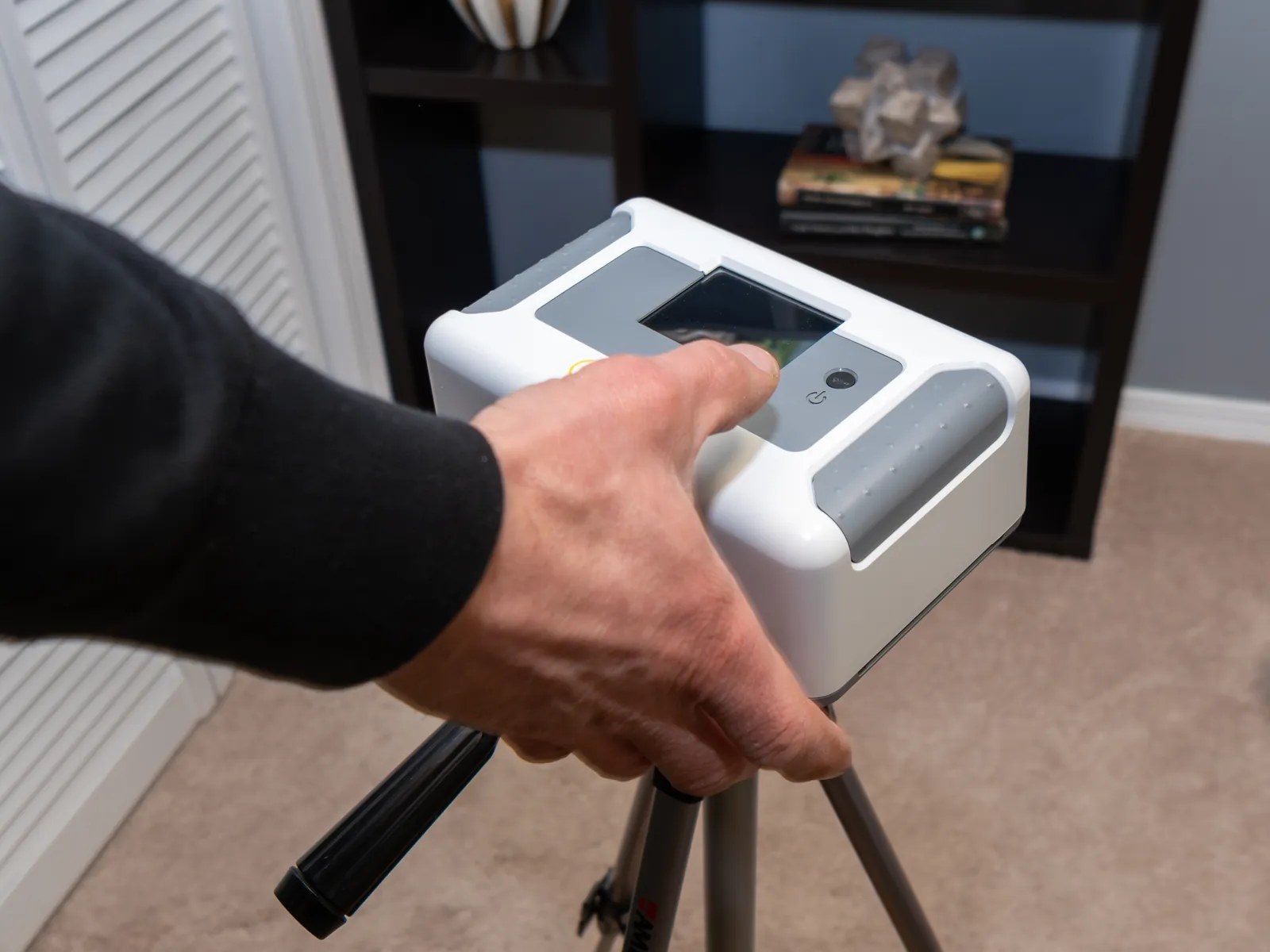
Testing for radon is easy and helps keep families safe. At Home Inspection Carolina (HIC), we do a 48-hour radon test as part of our home inspection services. This test is necessary for finding radon and deciding if you need to fix it.
How HIC Can Help
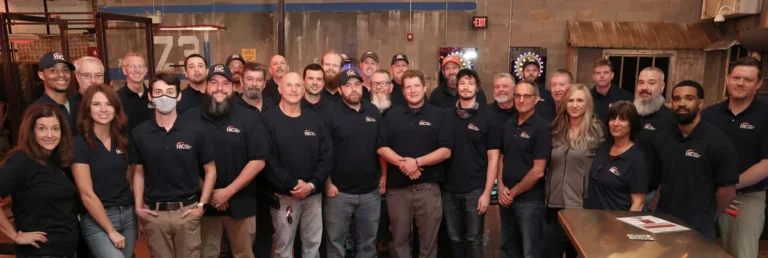
Home Inspection Carolina wants to help homeowners keep their homes free from dangerous radon levels. Our trained inspectors do careful testing and give full reports within 24 hours. With over 25 inspectors in six areas, we offer dependable and quick service.
For full home inspections that include radon testing, set up your inspection with us today by visiting our scheduling page. Check your home’s air quality and safety with HIC’s expert services.