
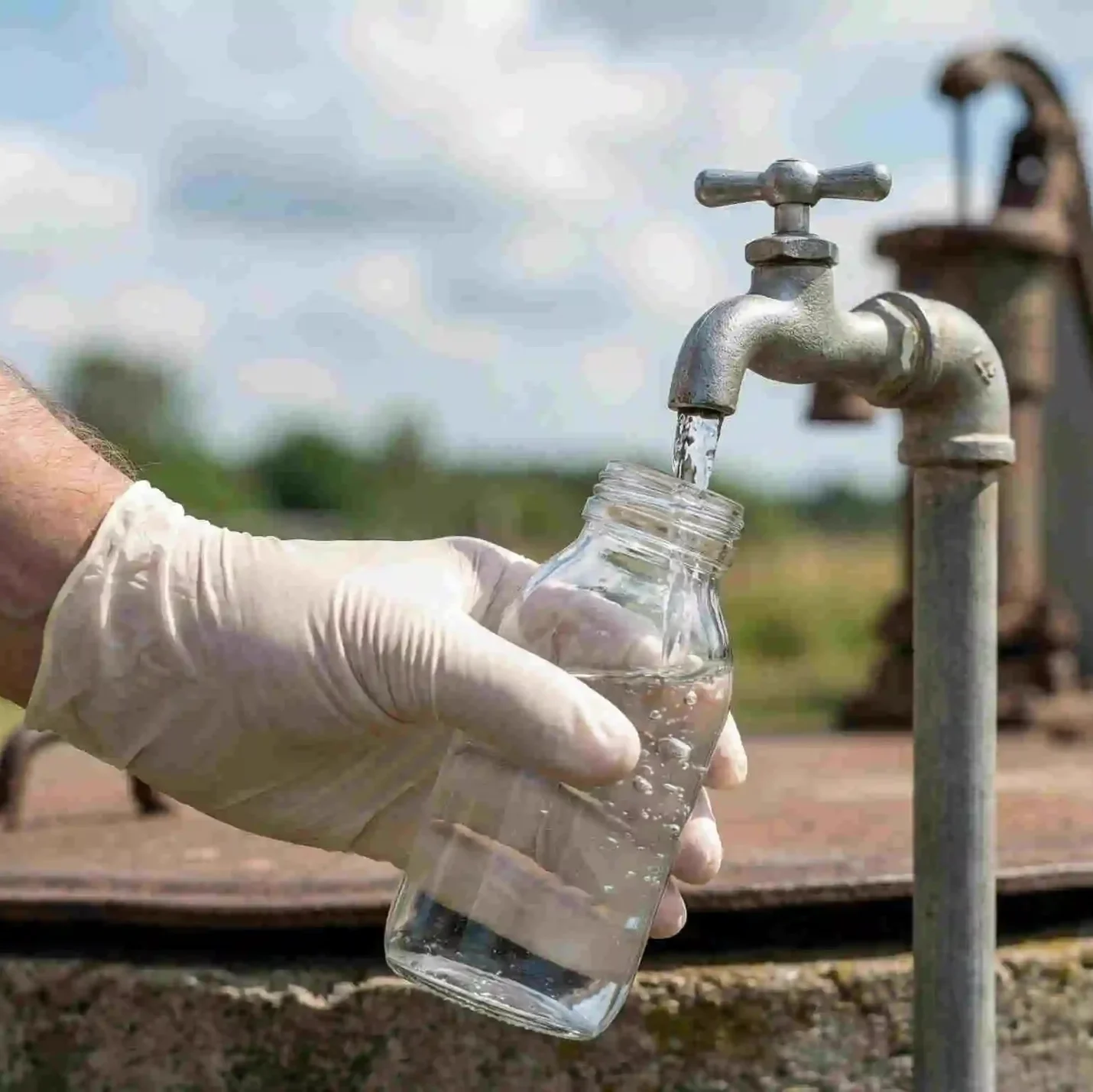
Water quality
Well and Water Testing
If the house is on a well, nobody is testing that water but you. Bacteria, nitrates and lead do not announce themselves.
Municipal water is tested constantly by somebody else. Well water is tested when the owner decides to test it, which, for a house being sold, is often never.
Testing tells you whether the water is safe to drink today. A well system inspection tells you whether the equipment delivering it is going to keep working.
Why test the water
- Detects coliform bacteria and E. coli, the contamination that makes people ill.
- Identifies chemical contaminants including nitrates and lead.
- Establishes whether treatment or filtration is needed, and what kind.
- Protects the investment, a well that cannot supply safe water is a serious problem for a property.
- Satisfies lender and regulatory requirements where they apply.
Why inspect the well itself
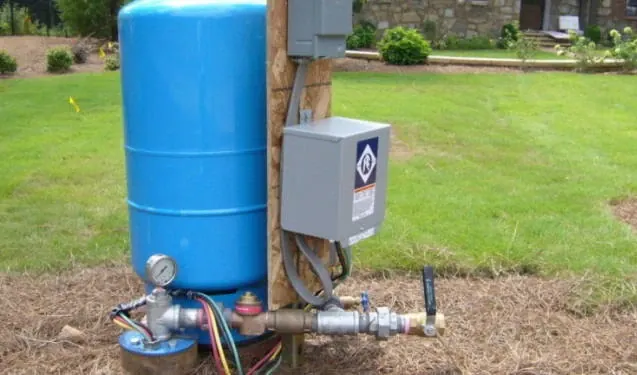
- Confirms the system is working and delivering adequate flow.
- Checks the housing, cap, casing and visible components.
- Identifies leaks and pressure problems before they become failures.
- Gives you a clear picture of a system most buyers have never dealt with before.
If the house is on a well
Municipal water is tested constantly by somebody else. A private well is tested when the owner decides to test it, and plenty of wells on the market have never been tested at all.
- Ask how deep the well is and when it was drilled. Older shallow wells are more exposed to surface contamination than deeper drilled wells.
- Ask when it was last tested and for what. A clear result from four years ago tells you about the well four years ago.
- Ask whether there is treatment on the system, what it treats for and when it was last serviced. Treatment equipment exists because something needed treating.
- Look at what is around the wellhead. Grading that runs water toward the casing, a damaged cap or a septic field close by are all routes for contamination.
Testing answers the question the paperwork cannot. If the result comes back clear, you have a baseline for the house. If it does not, you know before closing rather than afterwards.
Schedule your inspection
Online booking, or call the office for your market and talk to a person.
See it in practice
What is in the water
What we test for, and why it matters
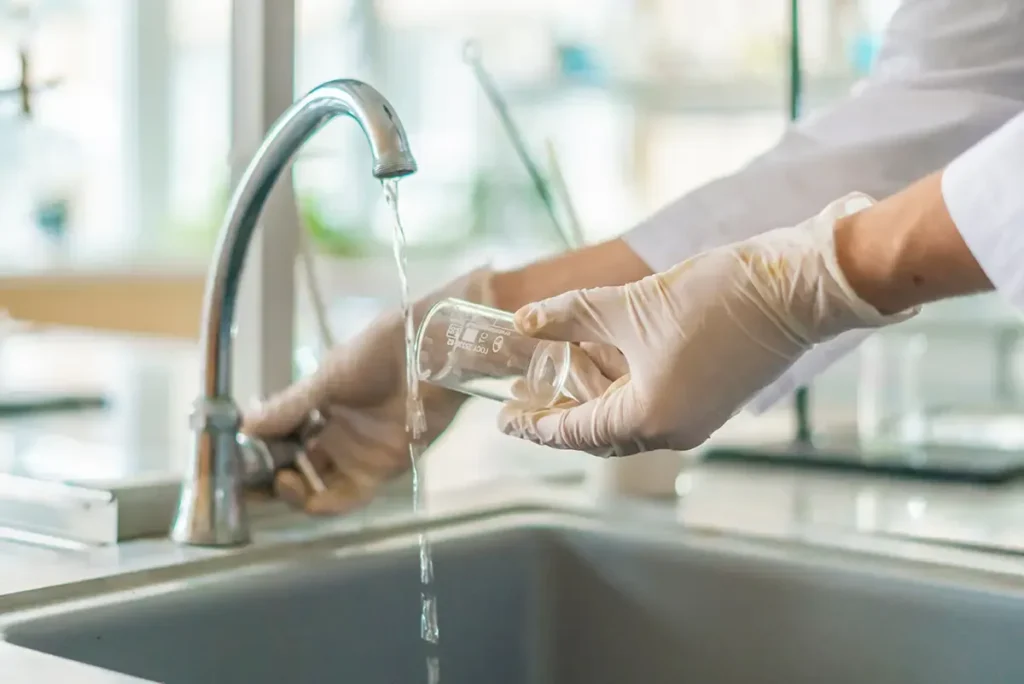
A water test is only useful if you know what the numbers mean. These are the contaminants that matter most in a private well, where they come from and what they do. None of them can be seen, smelled or tasted at the levels that matter.
Coliform bacteria and E. coli
Usually a sign that surface water or septic effluent is reaching the well through a cracked casing, a failed cap or poor drainage at the wellhead. E. coli specifically indicates fecal contamination and can cause serious gastrointestinal illness. This is the most common reason a well fails a test.
Nitrates
From fertilizer, animal waste and septic systems. Nitrate is particularly dangerous to infants because it interferes with the blood’s ability to carry oxygen, the condition usually called blue baby syndrome.
Nitrites
Chemically related to nitrate, from the same sources, and more acutely toxic. The two are tested together because finding one changes how you read the other.
Lead
Rarely from the ground. Lead normally enters through the plumbing itself: older solder, brass fittings and fixtures. There is no safe level for children, and the effects on development are permanent.
Arsenic
Occurs naturally in rock and soil in parts of the Carolinas and can also arrive through agricultural runoff. Long-term exposure is linked to skin damage, circulatory problems and increased cancer risk.
Radon in water
Radon dissolved in well water is released into the air when you shower or run a tap, adding to what you breathe indoors. It is a separate question from an airborne test. See radon testing.
Common questions
Frequently asked questions
How often should well water be tested?
At minimum annually for bacteria, and any time the taste, smell or appearance changes, and always before buying a house on a well.
What does the test cover?
The standard panel covers bacteria and common chemical contaminants. Additional analytes can be added where there is a specific concern.
How long do results take?
Laboratory turnaround varies. Your inspector will give you the timing when samples are taken.
Is water testing in a package?
Well water testing is booked alongside your inspection rather than bundled into the four packages. Ask when you schedule.
Can we drink the water while we wait for results?
That is a judgment call for you and your doctor. If the well has any history of contamination, or there is an infant or a pregnancy in the household, bottled water until the results come back is the cautious choice.
What happens if the test comes back positive?
It depends what was found. Bacteria are frequently resolved by shock chlorination plus repairing whatever let the contamination in. Chemical contaminants usually call for treatment or filtration sized to the specific problem. The laboratory result tells a treatment professional exactly what they are dealing with instead of leaving them to guess.
Does my lender require a water test?
Some loan programs do when the house is on a private well, VA loans among them. Your lender will tell you which applies, and it is worth asking early because laboratory turnaround adds days to your timeline.
Do you inspect septic systems as well?
No. Septic is a separate trade and not a service we offer. We test the water and inspect the visible well equipment that delivers it.
Ready to schedule?
Book online, or call the office for your market.