
Crawl space and structure
Crawl Space and Structural Inspection
The most expensive problems in a house usually start underneath it. We go into the crawl space, look at the structure, and tell you plainly whether what is down there is maintenance or something more.
What it is
The crawl space tells you how the house is really doing
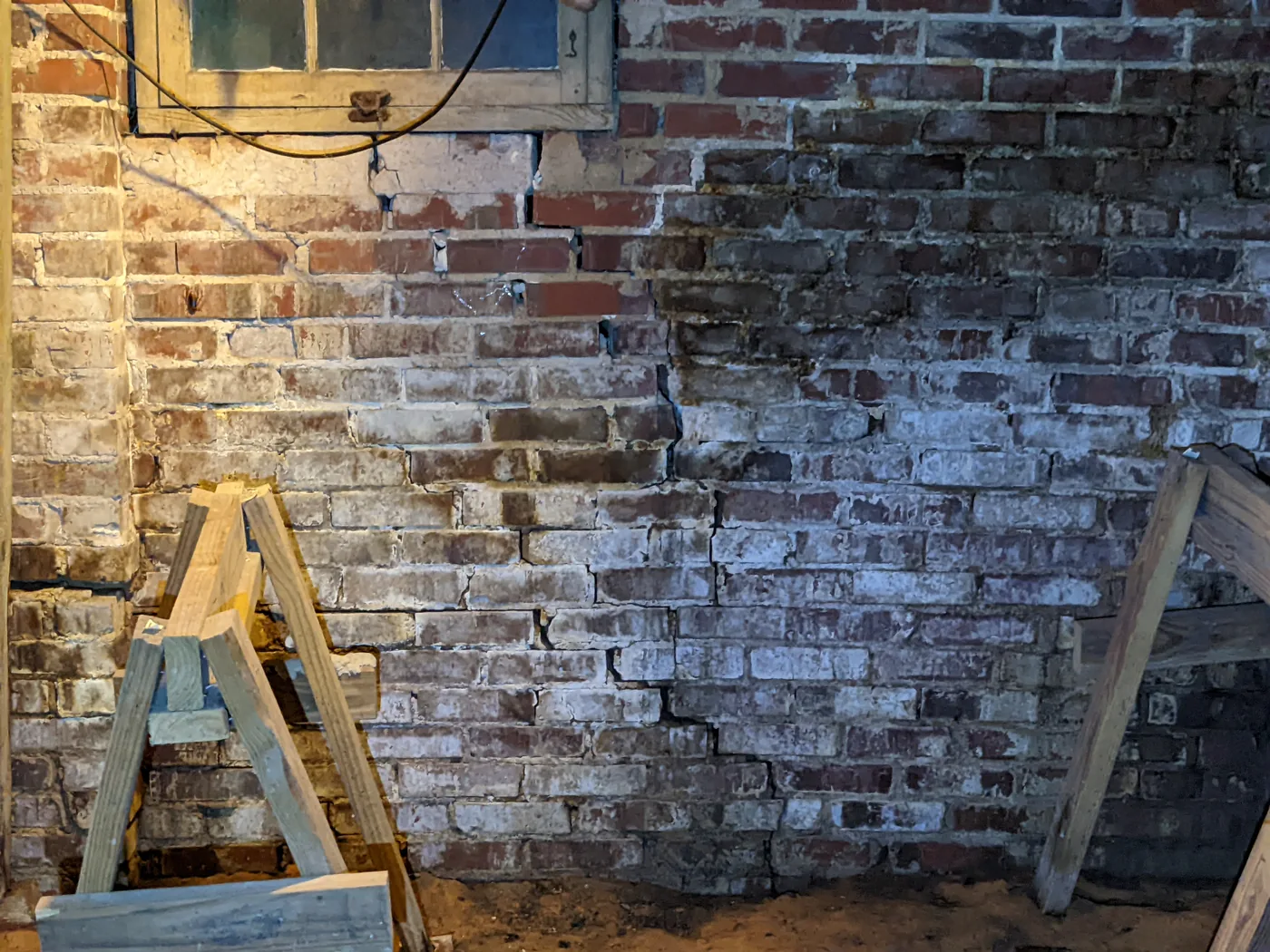
More expensive problems start under a house than anywhere else in it. A crawl space is dark, damp by default, rarely visited and directly connected to the air you breathe upstairs. It is also where the structure is visible: girders, joists, piers, sills and the foundation itself, with nothing covering them.
We go in. Not a look from the hatch with a flashlight, an actual entry wherever it is safe and accessible to do so. Conditions get photographed and described, including what is normal for a Carolina crawl space and what is not.
Structure
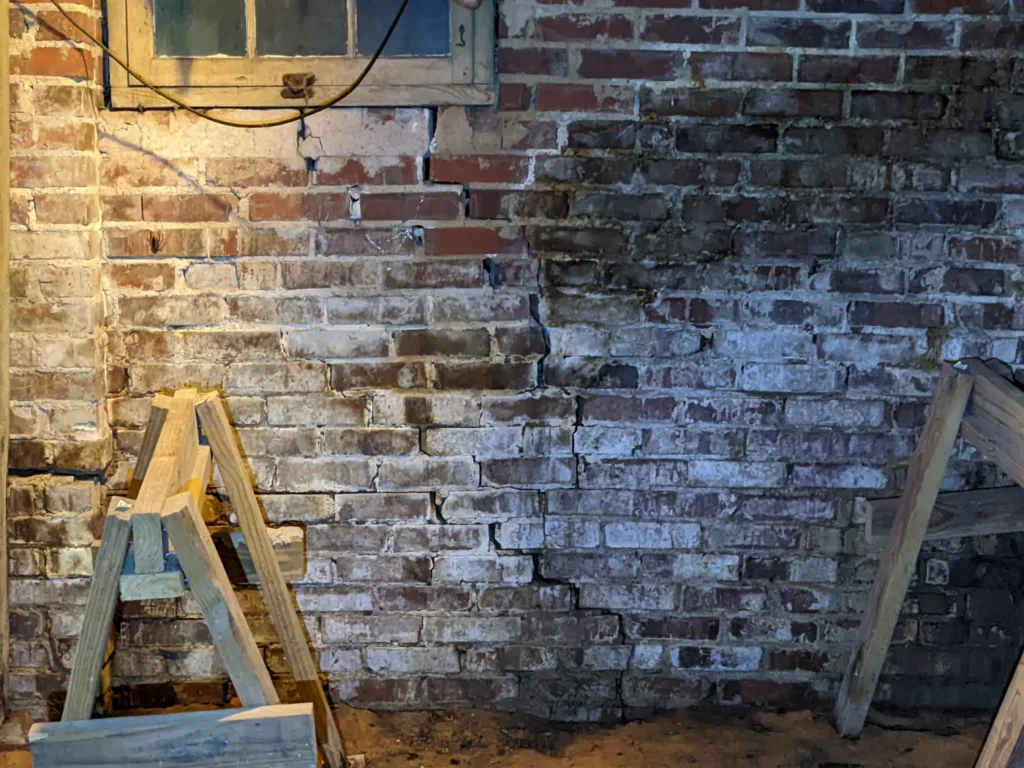
- Foundation walls, piers, footings and visible cracking or movement
- Girders, floor joists, sill plates and band boards
- Sagging, deflection, and previous repairs or sistered members
- Signs of settlement, and whether it looks active or long since stopped
- Cut or notched framing where plumbing or ductwork was run through it
Moisture and air
- Standing water, damp soil and drainage entering the space
- Vapor barrier presence, coverage and condition
- Ventilation, or an encapsulated space and how it is performing
- Wood moisture readings where conditions suggest it
- Fungal growth on framing and subfloor, and rot or decay
- Insulation that has fallen, absorbed moisture or been disturbed
What else lives down there
- Ductwork condition, disconnections and crushed runs
- Plumbing leaks, drain lines and supply piping
- Electrical wiring, junctions and improvised repairs
- Evidence of pests and wood destroying organisms
Structural questions
When a crawl space inspection becomes a structural one
Most of the time what we find is maintenance: a torn vapor barrier, a downspout discharging next to the foundation, a duct that came apart. Sometimes it is not, and a floor that slopes or a crack that has moved needs more than a general inspection can responsibly conclude.
When that happens we say so directly and tell you what kind of professional to bring in, usually a structural engineer, along with what specifically we want them to look at. We would rather hand you a clear next step than an opinion we are not qualified to give. Guessing about structure is how people either panic over nothing or ignore something real.
If moisture is the concern rather than framing, an infrared inspection can show where water is travelling behind finishes, and mold testing can establish what is actually growing.
Schedule your inspection
Online booking, or call the office for your market and talk to a person.
See it in practice
Common questions
Crawl space questions
Do you actually go into the crawl space?
Yes, wherever it is safe and accessible. If we cannot get in, the report says so and says why, whether that is standing water, a blocked or sealed access, insufficient clearance, or an animal in residence. You should never receive a report that quietly skips it.
Is standing water in a crawl space a serious problem?
It is always worth acting on. Water itself is not what damages the house, sustained moisture is: it feeds fungal growth, rots framing, ruins insulation and attracts pests. The important question is where it comes from, and that is usually surface drainage rather than plumbing.
Does my crawl space need to be encapsulated?
Not automatically, and it is not a universal fix. Encapsulation works when drainage and any bulk water have been dealt with first. Sealing a wet crawl space traps the problem. We report what we see and what is driving it so you can make that decision on facts.
What does a sloping floor mean?
It can mean very little in an older house that settled decades ago and stopped, or it can mean an active problem. What matters is whether movement is continuing and whether the support underneath has failed. If the answer is not clear from what we can see, we will tell you to get a structural engineer.
Can you tell me what a repair will cost?
No, and you should be careful with anyone who does while also selling you the repair. We are inspectors and we do not perform repairs, so we have nothing to gain from the size of the number. Take the report to a contractor or engineer for pricing.
Is this included in a standard home inspection?
The crawl space is part of a standard home inspection. This page describes what that involves in detail because it is the part buyers ask about most, and because it can also be booked on its own when there is a specific concern.
Ready to schedule?
Schedule online in a couple of minutes, or call and we will talk it through first.