
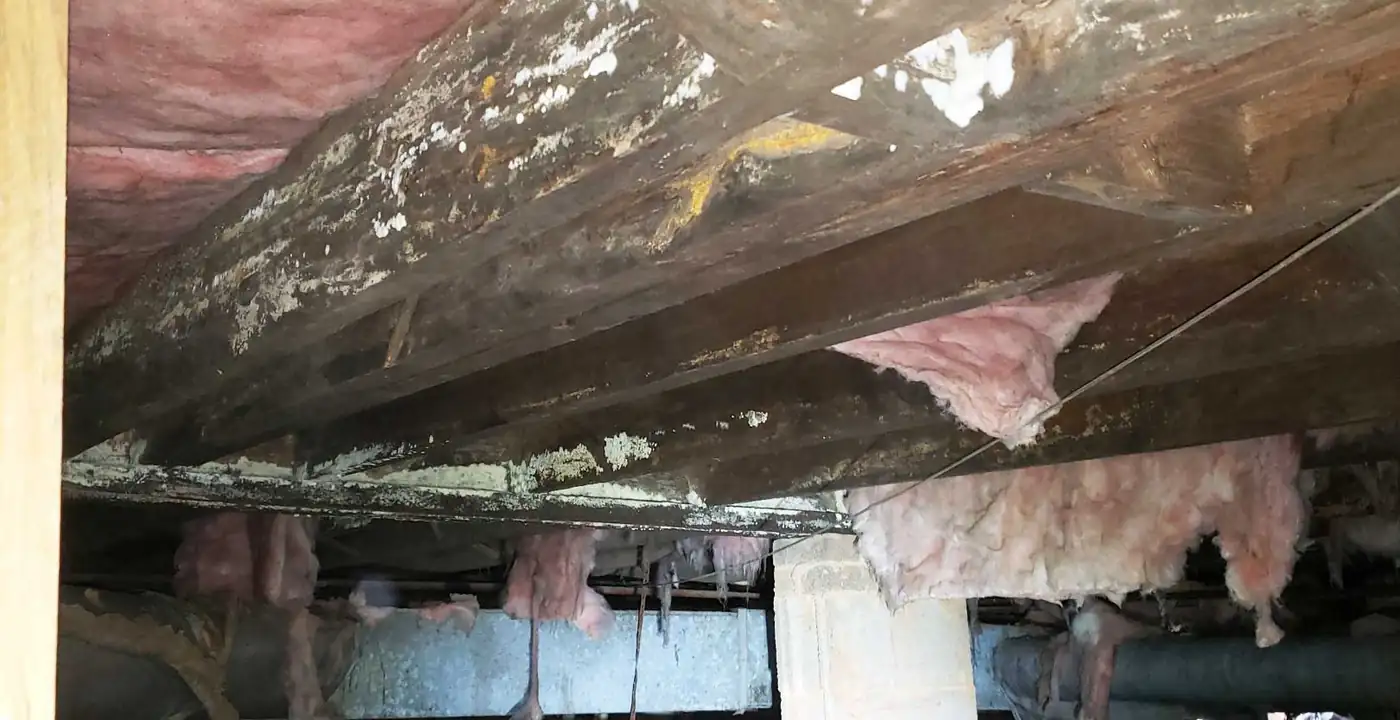
Air quality
Mold Testing
When there is a smell, a stain or a moisture history, sampling and lab analysis tell you what is actually growing and how bad it is.
Mold needs three things: moisture, a food source and time. Carolina humidity supplies the first generously, and crawlspaces, attics and bathrooms supply the rest.
A visual inspection can find staining and conditions favorable to growth. Sampling and laboratory analysis tell you what species is present and at what concentration, which is what you need before spending money on remediation.
When to test
- A musty smell with no visible source.
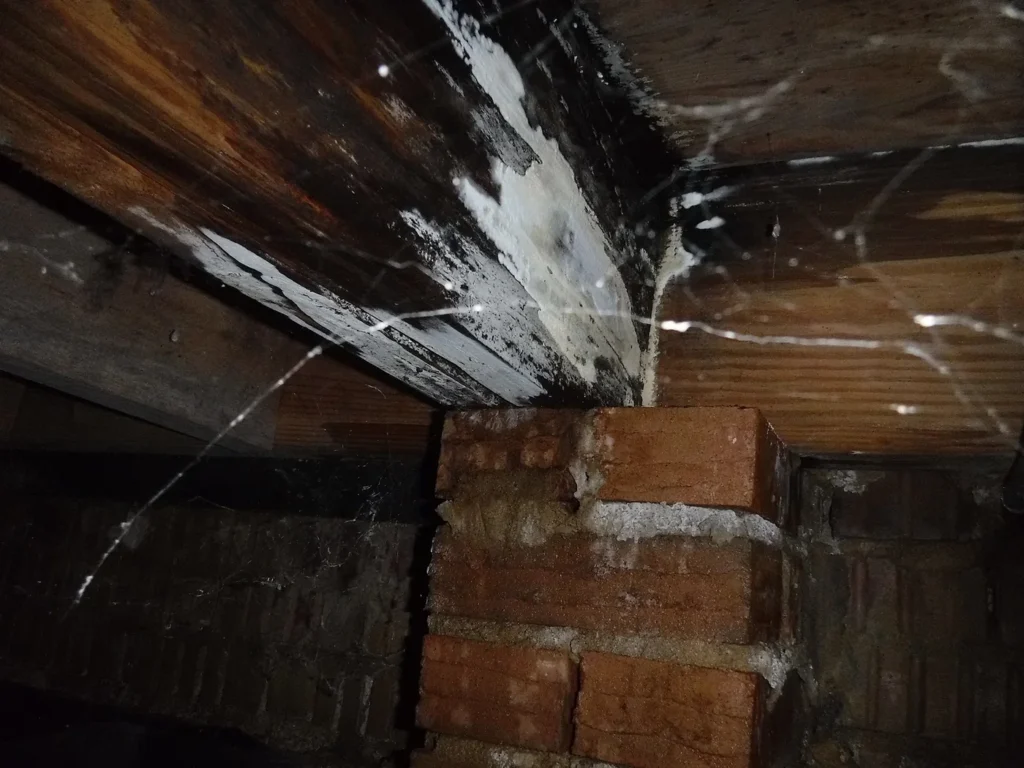
- Visible staining on drywall, framing, subfloor or crawlspace surfaces.
- A known history of water intrusion, a roof leak or a plumbing failure.
- Occupants with allergy or respiratory symptoms that improve away from the house.
- Before buying, when the crawlspace or attic shows moisture damage.
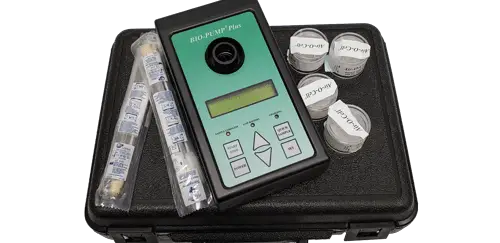
What we do
Our mold inspections follow the IAC2 Mold Inspection Standards of Practice. That means a non-invasive visual examination of the readily accessible, visible and installed systems and components of the house, moisture measurement wherever there is reason to take one, and sampling sent to an independent laboratory.
Visual inspection
- Roof, exterior, basement or crawlspace and foundation
- Heating, cooling and ventilation systems
- Plumbing and areas around fixtures and supply lines
- Attic, insulation and ventilation
- Interior rooms, finishes and any area of concern you point us to
Moisture assessment
- Moisture readings in any area showing moisture intrusion, water damage, moldy odors, apparent mold growth or conditions conducive to growth
- Humidity and temperature readings where they help explain what is happening
Sampling
- Surface sampling, swab or tape lift, from visible growth in areas of concern
- Indoor air sampling with an outdoor comparison sample
- Carpet sampling where a hidden or historical problem is suspected
What the report covers
- Moisture intrusion and water damage found
- Musty odors and visible mold
- Conditions conducive to mold growth
- Laboratory results for every sample, with what they mean for your house
- Anything that could not be inspected, and why
A mold inspection cannot identify concealed or latent conditions behind finishes, under insulation or inside walls, and it cannot predict future growth. We do not move furniture, open walls or dismantle building components. If the findings call for it, the report says what would need to be opened up.
Schedule your inspection
Online booking, or call the office for your market and talk to a person.
See it in practice
Common questions
Frequently asked questions
Do you do remediation as well?
No, and that is deliberate. We test and report; we do not sell you the remediation. A company that does both has an obvious incentive to find a problem.
How long do lab results take?
Turnaround depends on the laboratory. Your inspector will tell you the expected timing when the samples are taken.
Is all mold dangerous?
No. Mold spores are present in every building. What matters is the species, the concentration relative to outdoor levels, and whether there is active moisture feeding growth.
Can mold testing be added to a home inspection?
Yes. It is included in the Gold and Platinum packages.
Ready to schedule?
Book online, or call the office for your market.