

Our core service
Residential Home Inspection
A full, methodical review of the house you are about to buy, structure, systems and safety, with the report in your inbox within 24 hours.
What is a residential home inspection?
A residential home inspection is a visual, methodical review of a house’s structure, systems and safety by a licensed inspector, done before you commit to buying it. Buying a house is the largest investment most people ever make, and almost all of it is committed before anyone has looked behind the walls. A home inspection is the one point in the transaction where somebody works only for you.
Our inspectors are licensed in North and South Carolina and certified in every service they perform. You are welcome to attend, and your inspector walks you through the findings at the end.
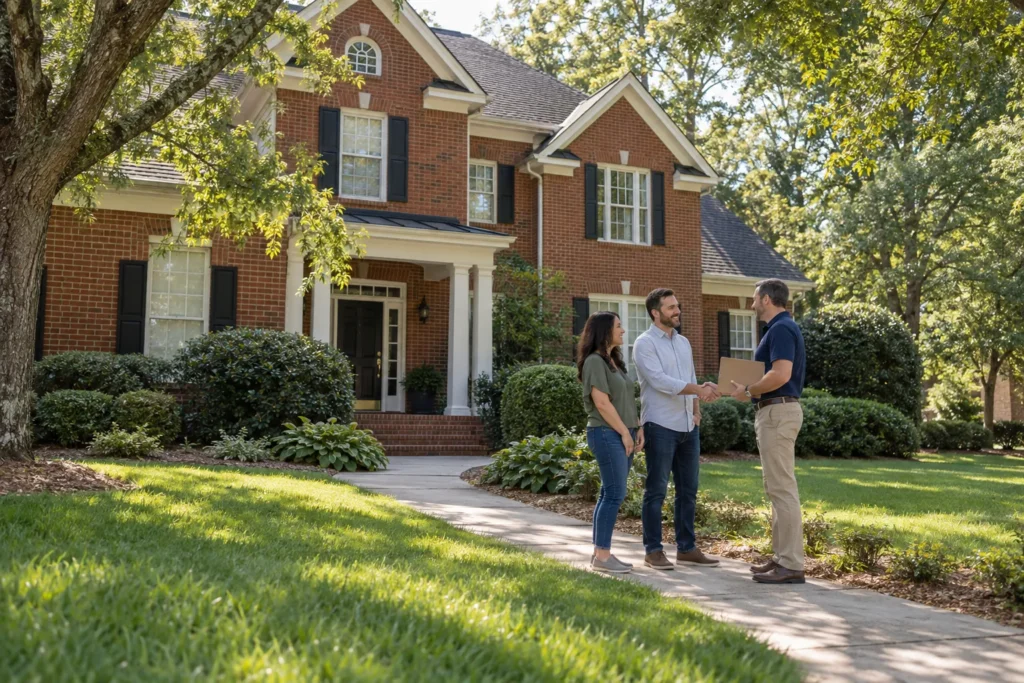
What to expect on inspection day
- Before, we tell you what will be covered and anything you need to arrange for access.
- During, your inspector works through the house with thermal imaging, moisture meters and the rest of the kit. Come along and ask questions.
- After, you get a photo report with findings, what matters and what does not, and recommendations for repairs.
Schedule your inspection
Online booking, or call the office for your market and talk to a person.
See it in practice
What is covered
What we look at
- Structural components
We probe where deterioration is suspected and enter crawl spaces, basements and attics unless access is blocked or unsafe.- Foundation
- Floors
- Walls
- Columns and piers
- Ceilings
- Roof structure
- Exterior
- Wall cladding, flashings and trim
- Entryway doors and windows
- Garage door operators and their automatic safety reverse
- Decks, balconies, stoops, steps, porches and railings
- Eaves, soffits and fascias
- Driveways, patios, walkways and retaining walls
- Grading and drainage as it affects the building
- Roofing
We report the method used to inspect the roof.- Roof coverings
- Roof drainage systems
- Flashings
- Skylights, chimneys and roof penetrations
- Signs of leaks or abnormal condensation
- Plumbing
- Water supply and distribution piping
- Fixtures and faucets, functional flow
- Leaks and cross connections
- Drain, waste and vent system, including traps and functional drainage
- Water heating equipment with its safety controls, flues and vents
- Fuel storage and distribution
- Sump pumps
- Electrical
- Service entrance conductors
- Service equipment and grounding
- Main overcurrent device
- Panelboard interiors
- Amperage and voltage ratings
- Branch circuit conductors
- GFCI and AFCI protection
- A representative number of receptacles, switches, lighting fixtures and ceiling fans
- Heating
We confirm a heat source in every habitable space.- Heating equipment
- Normal operating controls
- Automatic safety controls
- Chimneys, flues and vents
- Solid fuel heating devices
- Distribution system: fans, pumps, ducts, piping, filters, registers and radiators
- Air conditioning
We confirm a cooling source in every habitable space and operate the system when the weather allows.- Cooling and air handling equipment
- Normal operating controls
- Distribution system: ducts, dampers, insulation, filters, registers and fan coil units
- Interiors
- Walls, ceilings and floors
- Steps, stairways, balconies and railings
- Counters and built-in cabinets
- A representative number of doors and windows
- Signs of water penetration
- Insulation and ventilation
- Insulation and vapor retarders in unfinished spaces
- Attic and foundation ventilation
- Kitchen, bathroom and laundry venting
- Readily accessible attic ventilation fans
- Built-in kitchen appliances
- Dishwasher, through a complete cycle
- Range, cooktop and oven
- Trash compactor
- Garbage disposal
- Range hood or ventilation equipment
- Built-in microwave
This scope follows the North Carolina Home Inspector Standards of Practice (11 NCAC 08 .1106 through .1115) and the South Carolina Standards of Practice. A home inspection is a visual inspection of readily accessible systems and components, not a code compliance inspection or a warranty.
Scope
What a home inspection does not cover
Knowing the limits matters as much as knowing the scope. A home inspection is a visual inspection of readily accessible systems and components on the day it is performed. It is not a warranty, and it is not a guarantee that nothing will fail next winter. These are the things people most often assume are included and are not.
Anything concealed
We do not open walls, lift carpet, move stored belongings or dismantle equipment. If a crawl space hatch is blocked or an attic is inaccessible, the report says so rather than guessing at what is behind it.
Code compliance
An inspection is not a code inspection. Codes change constantly and apply as of the date a house was built or permitted. We report condition and safety concerns, not whether a 1974 house meets a 2026 code.
Predicting the future
Nobody can tell you how many winters a furnace has left. We report its condition, its age where it can be determined, and anything that suggests it is near the end, which is a different and more honest thing.
Specialist evaluation
Where a finding needs an engineer, a licensed electrician, a roofer or an HVAC contractor, we say so and describe what we saw. Handing you a specialist referral is the correct answer, not a guess dressed up as a conclusion.
Septic systems
Septic is a separate trade and not a service we offer. If the house is on a well we can test the water, and the well and water testing page explains what that covers.
Testing you did not book
Radon, mold, water and wood-destroying insects are separate services with their own standards and equipment. They can all be done on the same visit, but only if you ask for them when you book.
Often confused
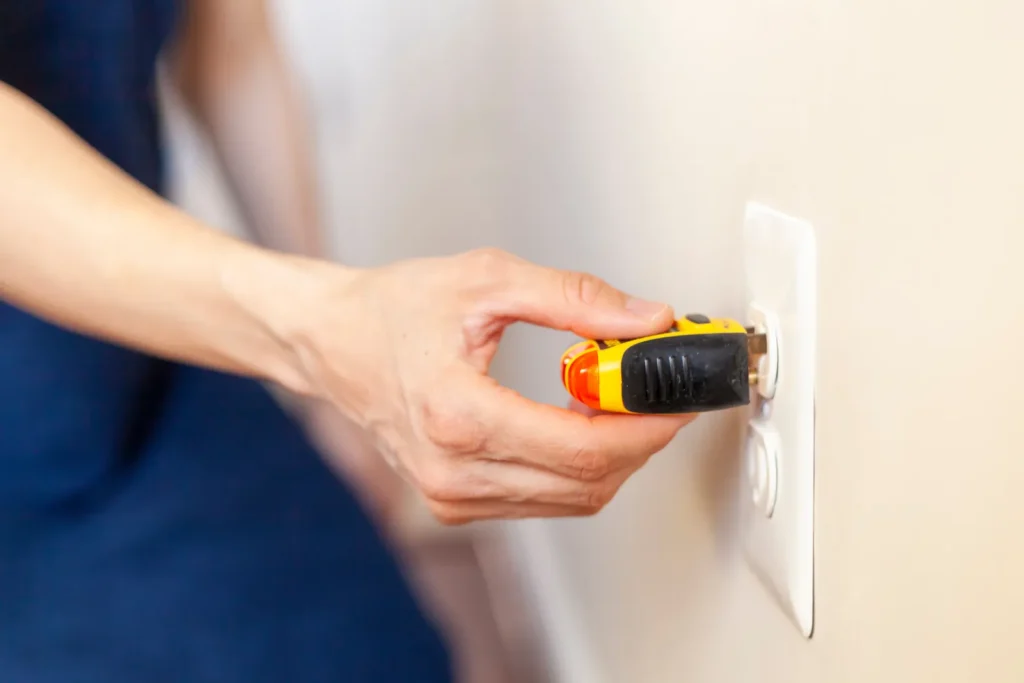
A home inspection is not an appraisal
They happen in the same few weeks and people mix them up constantly. An appraisal is ordered by your lender to establish what the house is worth, so the bank knows the loan is covered. It is about value, it takes a fraction of the time, and the appraiser is working for the lender.
A home inspection is ordered by you and is about condition. Nobody at the inspection is thinking about the sale price. The two answer different questions and neither one substitutes for the other.
A termite report is a third thing again, on its own form, and in some cases your lender will require it. See termite inspection and WDIR.
Timing
When to get a home inspection
Buying is the obvious one. It is not the only one.
Buying, during due diligence
In North Carolina the contract gives you a due diligence period, and the inspection belongs at the front of it so there is time to get quotes and decide. South Carolina contracts set an inspection period that works the same way.
Selling, before listing
A pre-listing inspection surfaces the problems before a buyer’s inspector does, while you still control the timing and who does the work.
New construction
Twice is better than once: pre-drywall while the framing and rough-ins are open, then again before closing. See new construction inspection.
Before the builder warranty ends
Most builder warranties run a year. An inspection at around ten months documents defects while the builder is still responsible for them.
As an owner, periodically
Nobody inspects a house they already live in, which is why problems are found by a buyer’s inspector years later. A maintenance inspection finds them while they are still small.
Investment property
The same inspection, read differently. Condition, remaining service life and what the next five years are likely to cost.
Before the day
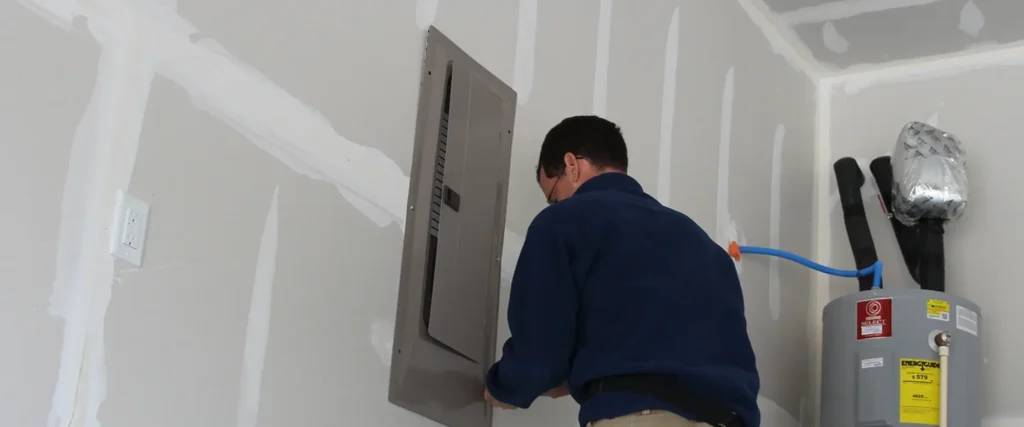
How to prepare, and what we need access to
Most of what slows an inspection down is access. A few minutes of preparation is the difference between a complete report and one with sections marked not inspected.
Utilities on
Power, water and gas all need to be on. We cannot test a furnace, run a dishwasher or check water pressure in a house with the utilities shut off, and returning later is a second appointment.
Attic and crawl space access
Hatches need to be findable and clear. A crawl space door padlocked shut, or an attic hatch inside a closet stacked to the ceiling, is the single most common reason a section gets limited.
Panels and equipment clear
The electrical panel, water heater and furnace all need a clear working space in front of them. Stored boxes in front of a panel mean the panel does not get opened.
Pets secured
Inspectors open doors to the outside, go in and out repeatedly, and enter crawl spaces. Pets need to be crated or off the property, for their safety more than ours.
Keys and codes
Outbuildings, gates, electrical rooms and alarm codes. If your agent is arranging access, make sure they know what needs opening.
Plan to be there
You are welcome for the whole inspection, and most people join for the last hour to walk the findings. Either way, come with questions.
Afterwards
What you get, and how to use it
The report goes out within 24 hours of the inspection. Every finding is photographed, so you are looking at the actual condition of the actual house rather than reading a description of it and trying to picture it.
Findings are separated: the things that genuinely matter, and the routine upkeep that comes with owning any building. That separation is the useful part. A list that treats a failed water heater and a loose handrail as equals tells you nothing, and it is how buyers end up panicking over a hairline crack while missing the real item three pages later.
The report also records what could not be inspected and why, which is not a disclaimer so much as a map of the remaining unknowns. A crawl space that could not be entered is something you may want resolved before the due diligence period closes.
Written to the North Carolina and South Carolina Standards of Practice, it is a document you can hand to a contractor for a quote, to your agent for a repair request, or keep as the baseline record of the house you just bought.
Common questions
Frequently asked questions
How long does a home inspection take?
It depends on the size and age of the house. Call the office for your market and we will give you a realistic window for your specific property.
Should I be there?
Yes, and we encourage it. Walking the house with your inspector is the fastest way to understand what you are buying, and questions get answered on the spot rather than by email a day later.
What does it cost?
Pricing varies by square footage and market. Call the number for your market for an exact quote, we will not guess at it here.
What if the inspection finds problems?
Most houses have findings; very few have deal-breakers. The report separates what genuinely matters from routine maintenance so you can negotiate, plan repairs, or walk away with your eyes open.
Do you inspect in my area?
We serve Charlotte, Raleigh-Durham, Greensboro and the Triad, Fort Mill, Rock Hill and Columbia. See service areas.
Is a home inspection pass or fail?
No, and anyone who tells you a house passed has misunderstood the job. The report describes condition. Every house has findings. What matters is which of them are significant, which are routine maintenance, and what that means for your decision.
Can an inspection kill the deal?
An inspection reports what is already true about the house. If a finding ends a transaction, the problem existed before we arrived and you were going to own it. Most findings are negotiated, repaired or simply understood and accepted.
What if the seller will not repair anything?
That is a negotiation your agent runs, not an inspection question. What the report gives you is documented, photographed evidence, which is a stronger position than a verbal description of a problem.
Will the inspector get on the roof?
Where it can be walked safely, yes. Where it cannot, because of pitch, height, covering or weather, we use other methods including drone roof inspection, and the report states the method used.
Do you inspect detached garages, sheds or outbuildings?
A standard inspection covers the dwelling. Tell the office about outbuildings when you book and they will confirm what can be included.
What about the pool, the well or the sewer line?
All separate services, all available on the same visit: pool inspection, well and water testing and sewer scope.
How far ahead should I book?
As early as you can once you are under contract, because the due diligence clock is already running. Call the number for your market and the office will tell you the soonest available slot.
Is the inspection different for an older house?
The standards are the same; what turns up is not. Older Carolina houses bring original wiring, aging waste lines and crawl spaces with decades of history. Newer ones bring workmanship and drainage. The inspector works the same way through both.
Ready to schedule?
Book online, or call the office for your market.